

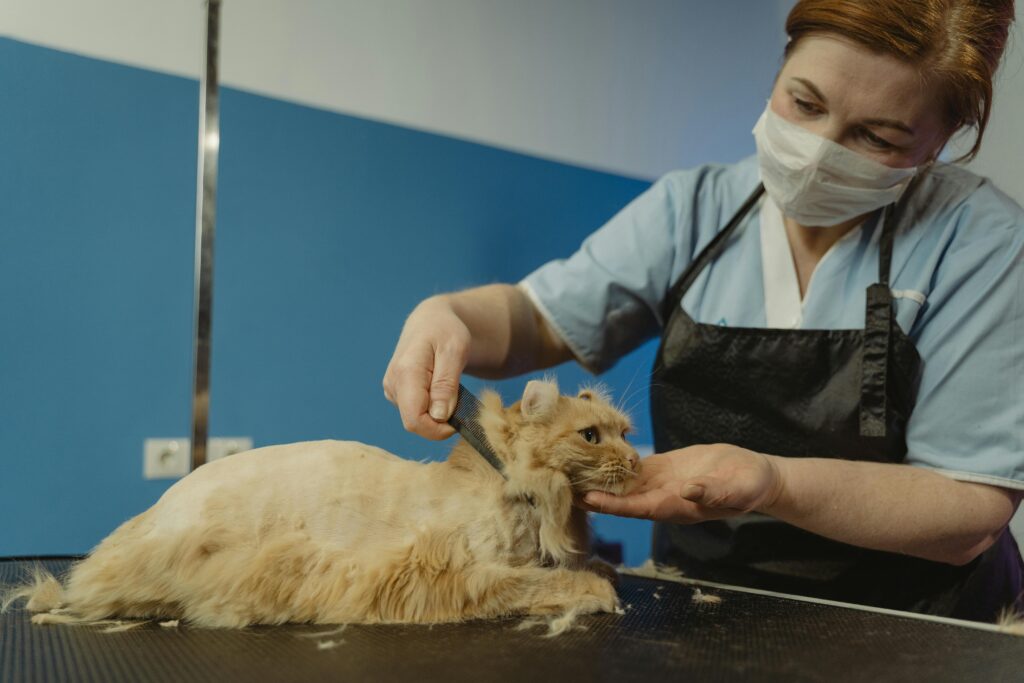
Most cats are great at self-cleaning — but they still need your help. Regular grooming at home keeps your cat’s coat healthy, reduces shedding, prevents painful mats, and strengthens your bond. The good news? You don’t need a professional groomer. With the right tools, you can do it all yourself.
Whether you have a short-haired tabby or a fluffy Maine Coon, home grooming is an essential part of responsible cat ownership. In this guide, we’ll walk you through the 5 must-have tools and exactly how to use them.
Why groom your cat at home?
Even though cats self-groom constantly, they can’t do everything on their own. Without regular brushing, cats swallow too much loose fur, leading to hairballs — and nobody wants that on the carpet at 2am. Regular grooming also helps you spot early signs of skin problems, parasites, or lumps that might need a vet’s attention.
Professional grooming can cost $50–$100 per session in the US. Doing it at home saves money and keeps your cat calm in a familiar environment.
The 5 essential cat grooming tools
1Slicker brush
A slicker brush is the foundation of any cat grooming routine. Its fine, short wires gently detangle fur, remove loose hair, and spread natural oils through your cat’s coat. Use it 2–3 times a week for short-haired cats and daily for long-haired breeds. Always brush in the direction of hair growth, and use light pressure — especially around the belly and legs where skin is sensitive.
2Deshedding comb or undercoat rake
This tool reaches deep into your cat’s undercoat to pull out the dead fur that a regular brush misses. It’s especially important during spring and autumn shedding seasons. Run it gently through the coat in sections, working from the neck down to the tail. You’ll be amazed how much fur comes out — fur that would otherwise end up on your sofa, clothes, and inside your vacuum.
3Steam grooming brush (3-in-1)
This is a game-changer for cat owners. A steam brush moisturizes your cat’s coat while brushing, which loosens dirt, softens tangles, and makes grooming much more effective — without a full bath. Many cats find the gentle warmth relaxing, making the whole experience easier for you both. Look for one with multiple attachments for brushing, massaging, and deshedding in one tool.
Pro tip: Use distilled water in your steam brush to prevent mineral buildup and extend its life.
4Nail clippers designed for cats
Cat nails grow fast and, if left untrimmed, can curl into their paw pads — causing pain and infection. Use clippers made specifically for cats (not human nail clippers — they can split the nail). Clip just the sharp white tip, avoiding the pink “quick” which contains blood vessels. Do one or two nails at a time if your cat is impatient, and always reward with a treat afterward. Trim every 2–3 weeks.
5Ear cleaning wipes or solution
Ears are often forgotten in home grooming, but they matter. Dirty ears can lead to infections and mite infestations. Use a cotton ball dampened with a vet-approved ear cleaning solution, and gently wipe the outer ear — never insert anything into the ear canal. Check for redness, dark discharge, or a bad smell, which could indicate an infection requiring a vet visit. Clean ears once or twice a month for most cats.
Tips for a stress-free grooming session
Start grooming your cat when they are calm and relaxed — never right after play when they’re energetic. Keep sessions short at first (5–10 minutes) and gradually extend them as your cat gets comfortable. Always end on a positive note with treats and gentle praise. The more consistent you are, the more your cat will accept grooming as a normal part of life.
Final thoughts
Grooming your cat at home doesn’t have to be a struggle. With the right 5 tools — a slicker brush, deshedding comb, steam grooming brush, nail clippers, and ear cleaning wipes — you can keep your cat looking and feeling their best between professional visits (or skip them entirely).
Ready to build your home grooming kit? Browse our full range of cat grooming tools at ASA Pets, with fast shipping across the US.